Robotics and Advanced Technology
With the vision to be a healthcare hub of excellence, we are always investing in innovative healthcare solutions that improve patient care and outcomes.
Robotics & Technology
At Ormiston Hospital, we invest in advanced robotic and laser-assisted technology across a number of specialties, including urology, gynaecology, orthopaedics, general surgery and plastic and reconstructive surgery. This technology does not replace your surgeon, our specialists use these systems as one of a number of tools to plan a treatment and operate with greater accuracy. During your consultation, your specialist will explain whether robotic or laser-assisted technology is suitable for you.
The technology we have available includes:
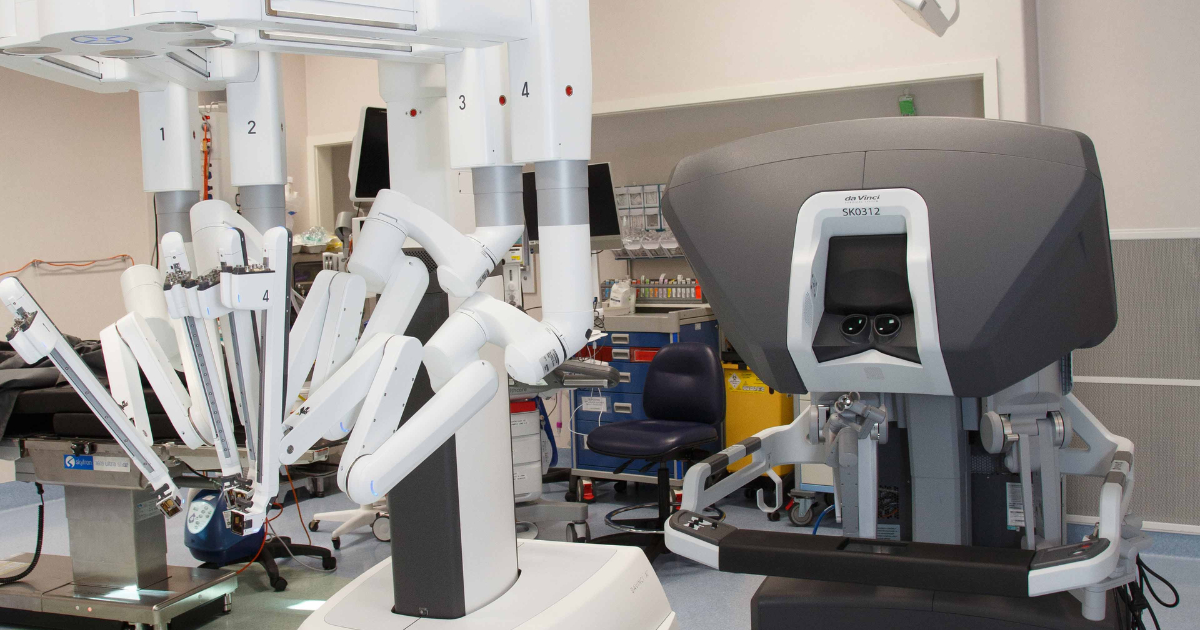
da Vinci Surgical System
Used in urology, gynaecology, colorectal and general surgery, the da Vinci robotic surgical system allows our surgeons to perform complex procedures through small incisions, with enhanced 3D visualisation, precision and control. The surgeon remains fully in control throughout da Vinci translates their hand movements into fine, filtered instrument movements inside the body.
At Ormiston, da Vinci is used across a growing range of procedures, including radical prostatectomy, gynaecological procedures such as hysterectomy, and general and colorectal surgery.
Potential benefits for patients can be:
- Smaller incisions and less scarring
- Reduced blood loss during surgery
- Shorter hospital stays
- A faster return to daily activities

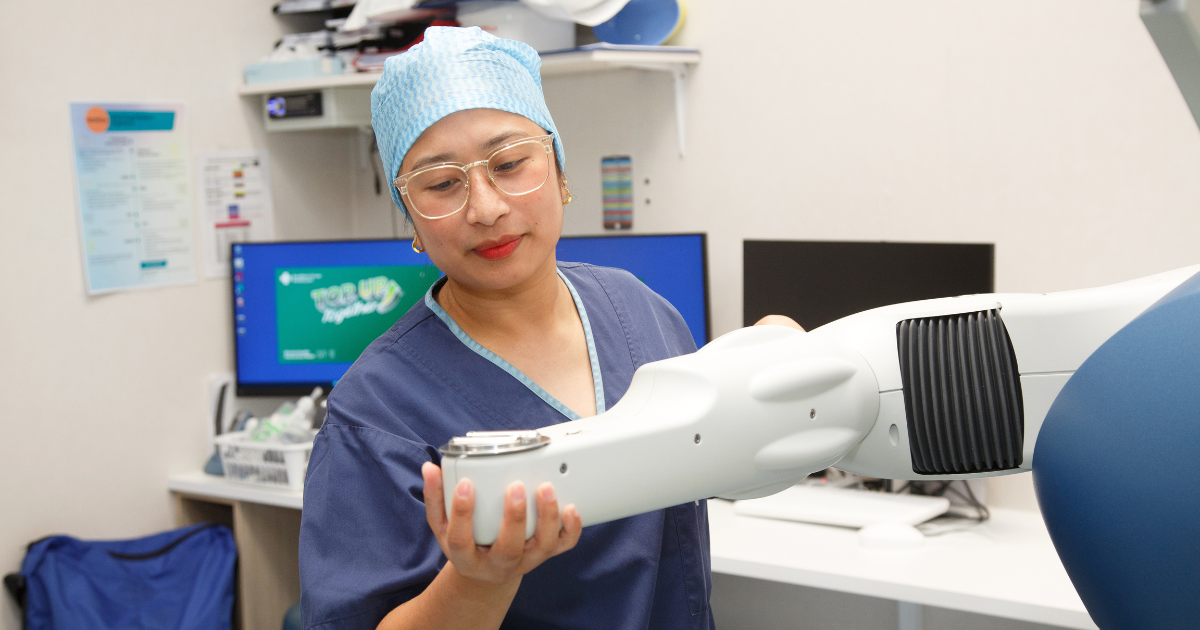
Mako Robotic Arm Assisted Surgery
Used in orthopaedics , Mako is a robotic arm assisted system used to support joint replacement surgery. It uses a CT scan of the patient’s own joint to build a personalised, 3D surgical plan before surgery even begins. During the procedure, the surgeon guides the robotic arm, which helps keep bone preparation and implant placement within the planned boundaries.
Ormiston introduced Mako in May 2025 for knee replacement surgery, performed by Dr John Mutu-Grigg.
Research on Mako assisted joint replacement has shown:
- Reduced pain and shorter recovery times and hospital stays
- More accurate bone removal and implant placement
- Less trauma to surrounding tissue
- Higher patient satisfaction rates
CO₂ Scar Revision Laser
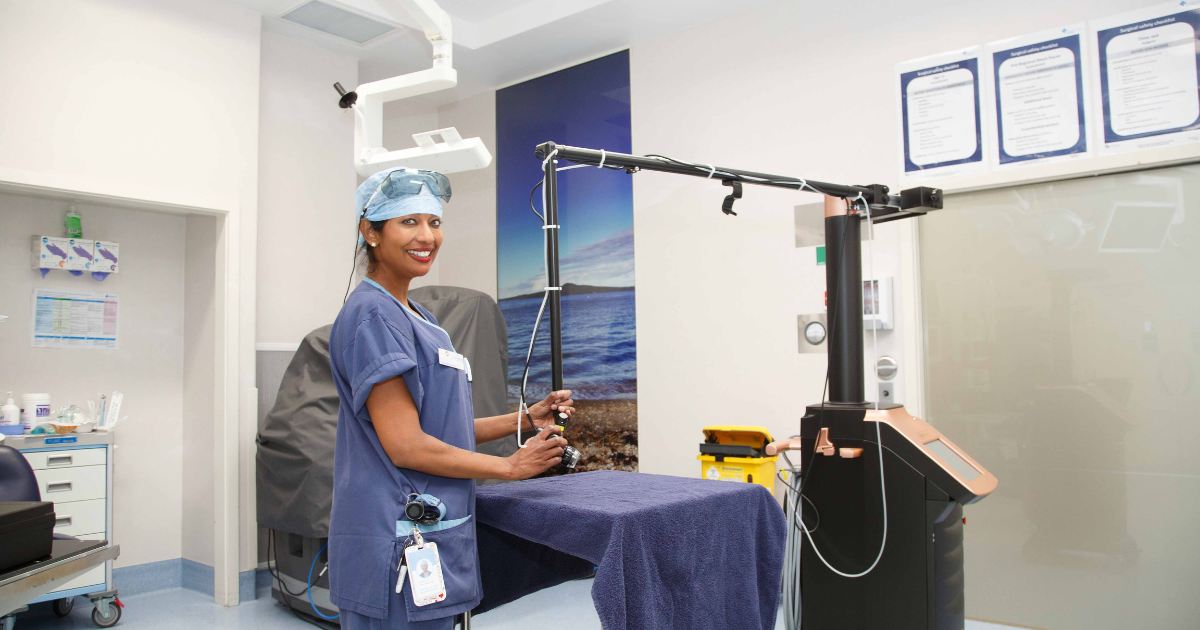
Used in plastics, burns and scar treatment, the CO₂ scar revision laser is a non surgical treatment for burn related and other scars, delivered in partnership with the regional burns unit. Using fractional laser technology, it targets dense, tight or raised scar tissue, helping stimulate new collagen growth and gradually improve the skin’s texture and comfort over a course of treatments.
A systematic review and meta analysis of fractional CO₂ laser treatment for burn scars found statistically significant improvements in scar appearance and function, delivered safely in outpatient settings with very few reported side effects.
Thulium Laser (ThuLEP) Urology
Ormiston has introduced a new Thulium laser system (Olympus) for the surgical treatment of an enlarged prostate. The procedure known as ThuLEP (Thulium Laser Enucleation of the Prostate) is a newer variation of the well established HoLEP procedure, using thulium laser energy in place of holmium. Published research comparing the two techniques has found they achieve broadly comparable results for relieving symptoms, with some studies suggesting modest advantages for ThuLEP around blood loss and short term continence.

Need to know
Your specialist will keep you informed on whether robotic or laser assisted treatment is an option for you and your procedure.
Yes. Robotic and laser assisted systems don’t operate independently, your surgeon controls the system throughout the entire procedure. These technologies are tools that support the surgeon’s skill and judgement, not a replacement for it.
Not every patient or every procedure is suitable for robotic or laser assisted technology. Your specialist will assess your individual case during your consultation and let you know whether this approach is recommended for you.
Benefits vary depending on the specific technology and procedure. Benefits may include smaller incisions, reduced blood loss, shorter hospital stays, and a faster return to daily activities. Your specialist will talk you through the expected benefits and risks relevant to specific to you and your procedure.